
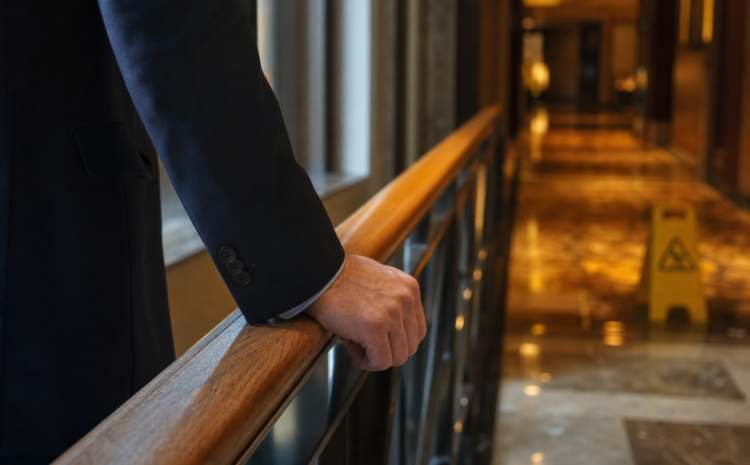
Las Vegas and Henderson attract millions of visitors every year, and the resorts, hotels, and casinos that serve them are among the largest and most complex commercial properties in the world. They are also, despite their polished appearance, sites of frequent guest injuries — injuries that resort operators and their legal teams are prepared to minimize from the moment an incident is reported.
If you were injured at a Nevada hotel, casino, or resort property, you have legal rights. Understanding how premises liability law applies in this context — and why these cases present unique challenges — is essential to protecting your claim.
1. The Legal Standard: What Nevada Hotel and Casino Operators Owe Their Guests
Under Nevada premises liability law, commercial property owners owe guests — classified as invitees — the highest duty of care. This means the property operator must:
- Conduct regular inspections of the property for hazardous conditions
- Fix known hazards within a reasonable period of time
- Warn guests of dangers that cannot be immediately corrected
- Maintain the property in a reasonably safe condition given the nature of the business
For a massive resort operation open 24 hours a day — with high-traffic casino floors, wet pool decks, crowded restaurants and nightclubs, aging infrastructure, and thousands of guests moving through the property at any given hour — this duty creates significant obligations.
When a resort fails to meet that standard and a guest is injured, Nevada law permits the injured person to pursue a premises liability claim for all resulting damages.
2. Common Causes of Hotel and Casino Injuries in Nevada
Casino Floors
Casino floors present a unique combination of hazards: dim lighting designed for ambiance, patterned carpeting that can mask surface changes, alcohol service throughout, and long hours of continuous operation. Common injuries include slip and falls on wet or slippery surfaces, trip and falls over uneven flooring or carpet transitions, and falls near escalators and stairs.
Pool and Spa Areas
Wet surfaces around pools, hot tubs, and water features are a leading source of resort injuries. Properties are required to maintain adequate non-slip surfaces, post appropriate warnings, and ensure proper lifeguard staffing and supervision where required.
Parking Structures and Valet Areas
Poorly maintained parking structures, inadequate lighting, and unmarked surface hazards cause numerous injuries each year. Valet operations introduce additional risk, including vehicle damage and accidents during vehicle retrieval.
Restaurants, Bars, and Nightclubs
High-volume food and beverage service creates spill hazards, crowded conditions, and the additional complication of alcohol-impaired guests. Injuries from slip and falls, altercations facilitated by inadequate security, and assault in poorly lit areas are all documented categories of resort claims.
Hotel Rooms and Common Areas
Faulty fixtures, slippery bathtubs, defective furniture, and maintenance issues in hotel rooms and common corridors give rise to both injury claims and product liability claims against the responsible parties.
Inadequate Security
Large resort properties have an obligation to maintain reasonable security measures commensurate with the known risks on their property. When a guest is assaulted, robbed, or otherwise harmed due to inadequate security staffing, lighting, or surveillance, the property owner may be liable.
3. What Makes These Cases Challenging
Resort operators have experienced response teams
Major Nevada resort operators employ risk management professionals, in-house attorneys, and security staff specifically trained to respond to guest incidents. From the moment you report an injury, the property is documenting its version of events, preserving evidence that supports its position, and preparing a defense — often before you have had any opportunity to consult with an attorney.
Surveillance footage disappears quickly
Large casino and hotel properties maintain extensive surveillance systems — but footage is routinely overwritten within 24 to 72 hours unless preserved through a litigation hold. This footage may be critical evidence of the condition that caused your fall, the lack of warning signs, or the circumstances of your incident. If it is not preserved immediately, it is gone.
Incident reports are written from the property’s perspective
When you report an incident to hotel security or management, the report is written by property employees. These reports frequently minimize the severity of the hazard, attribute fault to the guest, and omit details unfavorable to the property. You should always request a copy of any incident report before you leave the property — but be aware that it may not accurately reflect what happened.
Insurance companies for large resorts are sophisticated
The insurance carriers for major resort operators handle large volumes of premises liability claims and have experienced defense counsel on standby. They are well-practiced at minimizing settlements and prepared to litigate aggressively when necessary.
4. Nevada’s Comparative Fault Rule in Hotel and Casino Cases
Nevada’s modified comparative fault rule (NRS § 41.141) applies to hotel and casino injury claims. If you are found 51% or more at fault for your own injury, you cannot recover. For percentages below that threshold, your recovery is reduced proportionally.
Defense teams for resort operators frequently argue:
- The hazard was open and obvious and should have been avoided
- The guest was intoxicated and assumed the risk of their condition
- The guest was not paying attention or was distracted
- The guest was in an area not intended for guest access
These arguments must be countered with evidence — witness testimony, surveillance footage, expert analysis of the hazardous condition, and documentation of the property’s failure to meet its duty of care.
5. What to Do After an Injury at a Nevada Hotel or Casino
Report the incident immediately to hotel security or management and request that a formal incident report be completed. Ask for a copy before you leave.
Do not minimize your injuries when speaking with property staff. Simply state that you were injured and that you will be seeking medical attention.
Document everything you can — the exact location of the hazard, the absence of warning signs, your injuries, and the surrounding environment. Take photographs immediately.
Identify witnesses — other guests or bystanders who saw the incident. Guests check out and disperse quickly; get contact information while people are still present.
Seek medical attention the same day — at a local emergency room or urgent care. This creates an official, contemporaneous medical record tied to the date of your injury.
Do not give a recorded statement to the property’s risk management team or insurance representative without consulting an attorney.
Contact a personal injury attorney immediately — ideally within 24 hours of the incident. The evidence window in hotel and casino cases is extremely short.
6. Nevada’s Statute of Limitations
Nevada’s statute of limitations for premises liability claims is two years from the date of the accident (NRS § 11.190). If the property is owned or operated by a government entity, shorter notice requirements may apply.
Two years sounds like adequate time, but in cases where critical surveillance footage is gone within 72 hours, the practical urgency is immediate.
Kim Welch Law Represents Injured Hotel and Casino Guests in Nevada
Whether you were injured at a Las Vegas Strip resort, a Henderson hotel, or any other Nevada commercial property, Kim Welch Law has the experience to take on large resort operators and their insurers. We serve injured guests throughout the Las Vegas and Henderson area, and we offer free consultations with no obligation.
Colorado Springs and Las Vegas/Henderson, NV: (888) 590-5510 Website: www.kimwelchlaw.com
*Kim Welch is a personal injury attorney serving clients in Colorado Springs, CO and Las Vegas and Henderson, NV. This blog post is for general informational purposes only and does not constitute legal advice. Contact our office for guidance specific to your situation.*